Shining Stroll: India's Celestial Mythological Adventure RPG
Shining Stroll has emerged as one of India's most ambitious and culturally rich gaming creations, masterfully weaving together the tapestry of ancient Indian mythology with cutting-edge gameplay mechanics that have captivated gamers across Bharat and beyond. Developed by Daman Games – the Bangalore-based studio celebrated for their meticulous attention to cultural authenticity – Shining Stroll represents a quantum leap forward for Indian game development, proving beyond doubt that desi-made titles can stand shoulder to shoulder with international AAA productions while retaining their distinct Indian identity and soul.
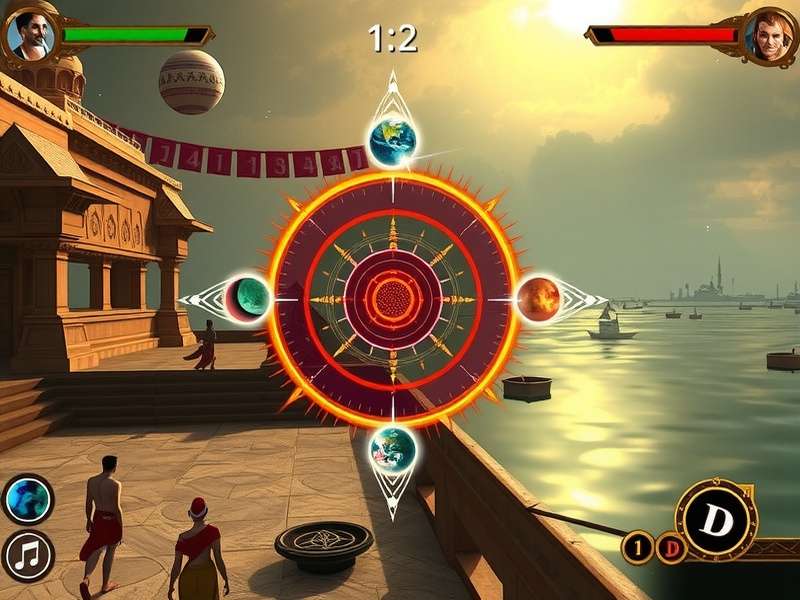
Shining Stroll's revolutionary celestial combat system in action along the sacred Ganges in Varanasi
What truly distinguishes Shining Stroll from other fantasy RPGs is its profound integration of Vedic, Puranic, and folk traditions with innovative gameplay that feels simultaneously familiar and refreshingly original. Unlike many games that merely use Indian aesthetics as window dressing, Shining Stroll constructs its entire world, characters, and mechanics around authentic Indian philosophical concepts like the Nakshatras (lunar mansions), the Navagrahas (nine celestial bodies), and the concept of dharma and karma, creating an experience that resonates deeply with Indian players while remaining accessible and engaging for global audiences.
In a gaming landscape often saturated with Western fantasy tropes, Shining Stroll proudly showcases India's rich mythological heritage, from the celestial Apsaras and Gandharvas to the fearsome Rakshasas and Danavas, from the wise Rishis and Munis to the powerful Devas and Asuras. The game's developers have collaborated closely with Sanskrit scholars, mythology experts, and cultural custodians to ensure that every aspect of the game – from character abilities to environmental design – stays true to the source material while adapting it for contemporary gaming sensibilities and playstyles.
Quick Facts about Shining Stroll ⚡
- Release Date: 2nd October 2024 (Gandhi Jayanti)
- Platforms: PC, PlayStation 5, Xbox Series X/S, Nintendo Switch, Mobile (iOS & Android)
- Developer: Daman Games
- Genre: Mythological Adventure Role-Playing Game (RPG), Celestial Action
- Setting: Alternate ancient India during the Dvapara Yuga, blending historical sites with mythological realms
- Player Count: Single-player with cooperative multiplayer and PvP arena modes
Gameplay Mechanics in Shining Stroll
Shining Stroll introduces a revolutionary gameplay system built around the nine celestial bodies (Navagrahas) and twenty-seven lunar mansions (Nakshatras) of Indian astronomy and astrology. This celestial system forms the backbone of both combat and exploration, creating a deeply interconnected gameplay experience that rewards strategic thinking, cultural knowledge, and creative problem-solving – hallmarks that make Shining Stroll stand out in the crowded RPG landscape.
Celestial Combat System
The combat in Shining Stroll represents a significant evolution in action RPG mechanics, drawing inspiration from classics like God of War and The Legend of Zelda while infusing them with distinctly Indian philosophical concepts and combat traditions. Players control the protagonist, a young Jyotishi (astrologer-warrior) known as a "Stroller," who can channel and manipulate celestial energies to devastating effect against enemies ranging from demonic Rakshasas to celestial Gandharvas and everything in between.
Each celestial body in Shining Stroll offers unique combat capabilities and strategic advantages, reflecting their traditional astrological significances:
- Surya (Sun): The primary celestial force, Surya allows players to unleash devastating solar attacks, blind enemies with brilliant light, and purify corrupted areas. Special abilities include Surya Kiran (sun rays) and Arka Bala (solar power)
- Chandra (Moon): Grants stealth capabilities, healing properties, and illusion-based attacks, reflecting the moon's association with mind and emotions. Key abilities include Chandra Maya (moon illusion) and Amrita Varsha (nectar shower)
- Mangala (Mars): The planet of war and aggression, providing powerful offensive capabilities and increased strength. Notable skills include Kuvera Astra (martial missile) and Agneyastra (fire weapon)
- Budha (Mercury): Offers speed, agility, and trickery, allowing players to confuse enemies and strike with lightning-fast precision. Signature moves include Budha Gati (mercury speed) and Vak Siddhi (verbal mastery)
- Guru (Jupiter): The planet of wisdom and expansion, providing protective barriers, ally buffs, and knowledge-based attacks. Advanced techniques include Guru Kavacha (teacher's shield) and Jnana Mudra (wisdom gesture)
- Shukra (Venus): Grants charm abilities, crowd control, and aesthetic-based attacks reflecting beauty and harmony. Special moves include Shukra Mohana (venus charm) and Rati Astra (love weapon)
- Shani (Saturn): The planet of discipline and limitation, allowing players to slow enemies, create obstacles, and deliver karmic retribution. Key abilities include Shani Sainya (saturn army) and Karma Phala (fruit of actions)
- Rahu (North Node): The ascending lunar node, providing illusion-breaking abilities and unexpected twists. Notable skills include Rahu Chhalana (rahu deception) and Grahan Shakti (eclipse power)
- Ketu (South Node): The descending lunar node, granting severance abilities and spiritual insight. Advanced techniques include Ketu Chedana (ketu cutting) and Moksha Bala (liberation power)
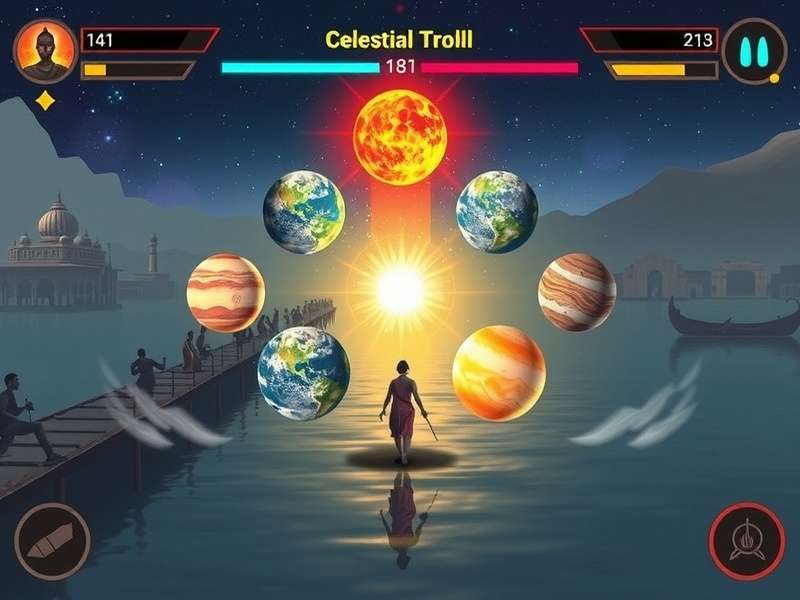
Shining Stroll's innovative celestial combat system showcasing the nine planets (Navagrahas) of Indian astrology
What makes Shining Stroll's combat truly innovative is the ability to combine celestial forces for devastating combo attacks based on astrological relationships. For example, mixing Surya and Mangala creates a solar flare that incinerates multiple enemies, while combining Chandra and Shukra generates a mesmerizing lunar beauty that pacifies foes and turns them to allies. These combinations are not just visually spectacular – they're essential for overcoming the game's toughest challenges, requiring players to think strategically about which celestial bodies to deploy in different situations based on both gameplay needs and traditional astrological compatibility.
The combat system also incorporates traditional Indian martial arts styles like Kalaripayattu, Silambam, Gatka, and Thang-ta, with different celestial alignments favoring different combat forms. This means players must adapt their fighting style based on the celestial configuration, creating a dynamic and ever-changing combat experience that keeps battles fresh and engaging throughout Shining Stroll's extensive gameplay hours.
Open World Exploration
Shining Stroll features a vast open world inspired by ancient India's diverse landscapes and kingdoms, stretching from the snow-capped Himalayan peaks in Kashmir to the tropical backwaters of Kerala, from the arid deserts of Rajasthan to the lush tea gardens of Assam. The game world is divided into several distinct regions, each with its own unique environments, challenges, cultural influences, and celestial alignments that affect gameplay mechanics:
- Himalayan Kingdoms: Snow-covered mountains home to ancient sages, hidden ashrams, and powerful Yeti-like creatures known as Mahabalas, with strong influences from Tibetan Buddhism and Himalayan Shaivism
- Indo-Gangetic Plains: Fertile river valleys dotted with ancient cities like Hastinapur and Ayodhya, bustling market towns, and sacred pilgrimage sites along the Ganges and Yamuna rivers
- Deccan Plateau: Rugged highlands featuring ancient rock-cut temples of Ellora and Ajanta, volcanic landscapes of Maharashtra, and the majestic Golconda Fort in Telangana
- Southern Kingdoms: Dravidian lands with magnificent temples like Madurai Meenakshi and Tanjore Brihadeeswara, spice plantations of Kerala, and the unique culture of Tamil Nadu and Karnataka
- Eastern States: The lush green landscapes of Bengal, Odisha's Jagannath culture, the tea gardens of Assam, and the mystical forests of Meghalaya
- Western Coast: Maritime regions with bustling ports of Surat and Goa, ancient cave temples of Elephanta, and the unique coastal culture of Gujarat and Maharashtra
- Desert Kingdoms: The arid landscapes of Rajasthan with magnificent forts of Jaisalmer and Udaipur, desert oases, and nomadic communities like the Rajputs and Rabaris
- Celestial Realms: Mythical dimensions beyond the mortal world, including Svarga (heaven), Patala (netherworld), and Vaikuntha (divine abode)
Exploration in Shining Stroll is richly rewarded through both narrative and gameplay benefits. Players who venture off the beaten path might discover hidden ashrams where ancient Rishis teach powerful new celestial techniques, stumble upon forgotten temples containing rare mantras and yantras, or encounter mythical creatures like Gandharvas, Apsaras, and Kinnaras that offer valuable quests or challenges based on Indian folklore and mythology.
The game's dynamic day-night cycle and celestial calendar system further enhance the immersive experience, with certain events, enemies, and celestial alignments only appearing during specific times, lunar phases, or astrological periods. For instance, celestial spirits might only manifest during full moons or specific Nakshatras, while powerful planetary alignments occur at certain times, offering players unique opportunities to acquire rare abilities or items that are unavailable at other times.
Navigation in Shining Stroll incorporates traditional Indian methods like following star constellations (Nakshatras), reading bird flights (Shakuna Shastra), and interpreting natural signs, adding another layer of cultural authenticity and gameplay depth that sets it apart from conventional RPGs.
Character Progression and Customization
Shining Stroll employs a unique progression system inspired by the Indian concept of gunas (qualities) and ashramas (life stages). Rather than traditional RPG classes, players develop their character along three primary paths based on the Trimurti (trinity) of Brahma, Vishnu, and Shiva:
- Brahma Path: The path of creation and wisdom, focusing on knowledge acquisition, spell creation, and celestial insight
- Vishnu Path: The path of preservation and protection, emphasizing defensive capabilities, healing, and ally support
- Shiva Path: The path of destruction and transformation, unlocking powerful offensive abilities and primal cosmic forces
As players progress through Shining Stroll, they earn Punya (merit) points through virtuous actions and Tejas (spiritual power) through defeating enemies and overcoming challenges. These points can be invested in the three paths, allowing for highly customizable character builds that reflect both gameplay preferences and philosophical inclinations. A player might choose to specialize in a single path for focused power or balance multiple paths for versatility, creating unique playstyles that make each playthrough of Shining Stroll feel personalized and distinctive.
The game also features an extensive crafting and puja (worship) system based on ancient Indian knowledge systems like Ayurveda, Vastu Shastra, and Jyotisha (astrology). Players can gather herbs, minerals, flowers, and mystical components to create:
- Ayurvedic Rasayanas: Herbal elixirs that enhance celestial abilities or provide temporary resistance to certain damage types
- Mantric Inscriptions: Sacred chants inscribed on metals and gems that can be applied to weapons and armor to grant celestial properties
- Yantric Devices: Geometric diagrams and mechanical contraptions inspired by ancient Indian engineering that can manipulate celestial energies
- Tantric Talismans: Sacred objects charged through puja ceremonies that provide passive bonuses and protection against specific celestial afflictions
- Homa Offerings: Sacrificial items used in fire ceremonies to appease powerful deities and gain their favor in the form of blessings and boons
- Jyotish Yantras: Astrological instruments that predict celestial alignments and provide strategic advantages in combat and exploration
Character customization extends far beyond abilities and equipment to include extensive cosmetic options inspired by traditional Indian attire and adornments from different regions and eras. Players can choose from a variety of dhoti, sherwani, and kurta styles for male characters, and saree, salwar kameez, and lehenga choli options for female characters, each reflecting different regional traditions from Kashmir to Kanyakumari.
Players can also apply intricate mehndi designs on hands and feet, adorn their characters with mangalsutra necklaces, bindi forehead decorations, kajal (kohl) around the eyes, and a variety of traditional jewelry like nath (nose rings), bajuband (armlets), and payal (anklets). Many of these cosmetic items also provide subtle gameplay benefits based on their cultural and astrological significance, creating a meaningful connection between aesthetics and mechanics that is a hallmark of Shining Stroll's design philosophy.
Narrative and Setting of Shining Stroll
Shining Stroll is set in an alternate version of ancient India during the Dvapara Yuga, a golden age described in the Mahabharata when gods, demons, and humans walked the earth together. The game's world draws heavily from the Mahabharata, Ramayana, Puranas, and regional folk traditions, but presents them through a fresh narrative lens that explores moral complexities, philosophical dilemmas, and cultural diversity often overlooked in traditional retellings.
Main Plot
The story of Shining Stroll begins with the player character – a young apprentice jyotishi (astrologer) from the ancient city of Ujjain, the traditional center of Indian astronomy – discovering their latent ability to perceive and manipulate celestial energies after witnessing a mysterious celestial event that disrupts the normal order of the planets (Navagrahas).
This awakening attracts the attention of the legendary sage Bhrigu, who reveals that the protagonist is the last descendant of the Saptarishi (Seven Sages) lineage and has been chosen to restore balance to the celestial spheres. The sage explains that the cosmic equilibrium has been disrupted by the rise of Andhaka, a powerful asura (demon) who has learned to manipulate the Nakshatras (lunar mansions) to gain control over mortal destiny and challenge the authority of the Devas (gods).
As the protagonist trains under Bhrigu to master their celestial abilities, they learn of a growing darkness spreading across the land – a corruption known as the Graha Dosha (planetary affliction) that is poisoning both mortal minds and celestial bodies, turning ordinary people into mindless thralls and celestial beings into corrupted monsters.
The source of this corruption is revealed to be Andhaka's attempt to rewrite the cosmic order by capturing the Jyotirlingas (lingams of light) – sacred manifestations of Shiva scattered across India – and using their power to create a new universe where asuras reign supreme and the laws of dharma (righteousness) are inverted.
To stop Andhaka's apocalyptic plan, the protagonist must embark on a teerth yatra (pilgrimage) across ancient India, visiting sacred sites from Badrinath in the Himalayas to Rameswaram in the south, gathering allies from diverse cultures and kingdoms, awakening the celestial powers within themselves, and ultimately confronting Andhaka during a rare planetary alignment known as Mahapurusha Yoga that occurs once every 1,000 years.
Along the way, players will encounter iconic figures from Indian mythology, including:
- Krishna: Not just as a divine avatar, but as a complex character who offers cryptic advice and challenges the protagonist's understanding of dharma and morality
- Arjuna: The legendary warrior from the Mahabharata who serves as a combat mentor but struggles with post-war trauma and existential questions
- Goddess Saraswati: The deity of knowledge and wisdom who guides the protagonist in understanding celestial mechanics and ancient texts
- Hanuman: The mighty monkey god who provides comic relief but also profound insights about devotion and service
- Goddess Kali: The fierce form of Devi who represents destruction of ignorance and offers the protagonist power but tests their moral courage
- Vasishtha and Vishvamitra: The rival sages whose philosophical debates challenge the protagonist's understanding of power and enlightenment
Key Characters in Shining Stroll 👥
- Jyoti/Jyotir: The customizable protagonist, last descendant of the Saptarishi lineage with the power to manipulate celestial energies
- Bhrigu: The ancient sage and founder of Indian astrology who mentors the protagonist and holds secrets about cosmic balance
- Chandra: A mysterious lunar spirit who can shift between male and female forms, representing the moon's dual nature
- Prithvi: A earthy village girl with surprising knowledge of medicinal plants and folk traditions who becomes the protagonist's guide to mortal India
- Varuna: The god of oceans and celestial order who opposes Andhaka but has his own agenda for restoring cosmic balance
- Andhaka: The blind asura king and primary antagonist who seeks to control destiny and reshape the universe
- Rahu: The celestial serpent who acts as Andhaka's advisor but harbors his own plans to eclipse the sun and moon
Mythological Depth and Cultural Representation
One of the most remarkable aspects of Shining Stroll is its nuanced portrayal of Indian mythology, which goes far beyond surface-level references to explore the philosophical and spiritual depths of the source material. The game's writers have worked closely with Sanskrit scholars, religious leaders from various traditions, and cultural experts to ensure that the mythology is represented with both accuracy and respect, while also making it accessible and engaging for players unfamiliar with Indian traditions.
The game explores complex philosophical concepts from Hinduism, Buddhism, Jainism, and tribal traditions, including:
- Dharma and Adharma: The tension between righteousness and chaos, and how different characters interpret their moral obligations based on their social roles, personal values, and cultural backgrounds
- Maya and Brahman: The concepts of illusion and ultimate reality, with gameplay mechanics that challenge players to distinguish between appearance and truth
- Karma and Reincarnation: The law of cause and effect, with player choices having lasting consequences that ripple across the game world and potentially into future lives
- Moksha and Self-Realization: The ultimate goal of liberation, framed not just as escaping the cycle of rebirth but as realizing one's true nature as divine consciousness
- Ahimsa and Compassion: Non-violence as a philosophical principle, offering players alternative solutions to combat-focused challenges that reflect Jain and Buddhist perspectives
- Bhakti and Devotion: The path of loving devotion, with characters representing different approaches to spirituality from intense devotion to intellectual inquiry
Shining Stroll also celebrates India's extraordinary cultural diversity, featuring characters and regions inspired by different parts of the subcontinent and different periods of history. Players will encounter:
- Vedic influences: In the northern regions, with rituals and practices based on the Rigveda, Yajurveda, Samaveda, and Atharvaveda
- Dravidian traditions: In the southern kingdoms of Chola, Pandya, and Chera, featuring distinct architectural styles, musical traditions, and philosophical perspectives from the Tamil Sangam literature
- Tribal cultures: Among forest-dwelling communities like the Santhal, Bhil, and Gond people who maintain close connections with nature spirits and ancestral traditions
- Buddhist heritage: In ancient monasteries of Nalanda and Vikramashila, with characters embodying Buddhist principles of compassion and non-attachment
- Jain influences: In the trading communities of western India, with characters who follow Jain principles of non-violence and asceticism
- Sufi traditions: In the mystical traditions of northern India, with characters representing the Islamic influence on Indian culture and philosophy
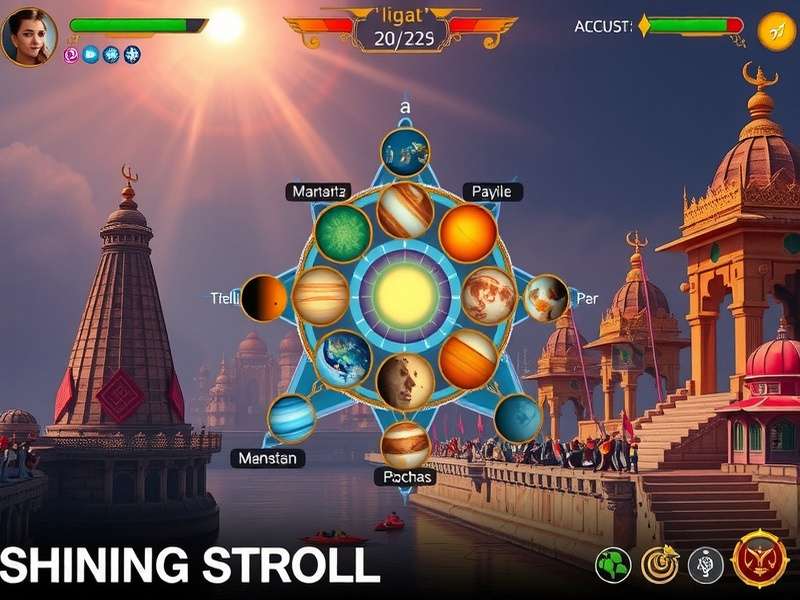
Shining Stroll's richly detailed game world blends authentic ancient Indian landscapes with fantastical celestial realms
The game's soundtrack, composed by the legendary A.R. Rahman in collaboration with traditional Indian musicians from different regions, features a blend of classical ragas, folk melodies, devotional bhajans, and contemporary orchestration. Instruments like the sitar, veena, sarod, tabla, mridangam, shehnai, nadaswaram, and various regional percussion instruments are seamlessly integrated with Western orchestral elements to create a score that feels both timeless and modern – much like the game itself.
Each region in Shining Stroll features music inspired by local traditions, from the bhakti songs of Vrindavan to the carnatic music of Chennai, from the baul folk songs of Bengal to the qawwali traditions of Uttar Pradesh, creating an auditory experience that reflects India's musical diversity and richness.
Development of Shining Stroll
The development journey of Shining Stroll began in 2020 at Daman Games, following the critical and commercial success of their previous title Elemental Guardians. The project was envisioned as a more ambitious follow-up that would push the boundaries of what Indian game development could achieve, both technically and artistically, while staying rooted in authentic Indian culture and mythology.
With a budget of over ₹60 crore (approximately $7.2 million) – unprecedented for an Indian game development project – the development team grew to include over 80 members, including mythology experts, cultural consultants, Sanskrit scholars, traditional artists, and veteran developers from both Indian and international studios. This diverse team brought together expertise in game design, Indian philosophy, mythology, history, music, and visual arts to create a game that would be both authentic to Indian culture and competitive on the global stage.
Creative Process and Cultural Research
The creative team behind Shining Stroll undertook an extensive research phase that lasted over eighteen months, visiting archaeological sites across India, studying ancient texts in their original languages, and consulting with scholars, priests, artists, and cultural custodians from different regions and traditions.
The developers spent months at institutions like Banaras Hindu University, the Sanskrit College in Thiruvananthapuram, the National Museum in Delhi, the Chhatrapati Shivaji Maharaj Vastu Sangrahalaya in Mumbai, and the Oriental Research Institute in Mysore to ensure historical and mythological accuracy in every aspect of the game. They also visited hundreds of temples, monasteries, and historical sites across India, from the Himalayan shrines of Kedarnath to the southern temples of Madurai, to capture the authentic feel of different regions and architectural styles.
Lead designer Priya Nair explained the team's approach in a 2023 interview: "We wanted Shining Stroll to feel authentically Indian, not just in its visual aesthetics but in its very soul and philosophy. Too often, Indian culture is portrayed superficially in global media – with elephants, curry, and generic 'mysticism' – but we wanted to go deeper, to explore the philosophical underpinnings of our mythology and show how they can create compelling gameplay that's truly unique to our cultural perspective."
The celestial combat system, in particular, was developed in collaboration with practitioners of traditional Indian martial arts like Kalaripayattu from Kerala, Silambam from Tamil Nadu, Gatka from Punjab, and Thang-ta from Manipur, as well as experts in Ayurveda, yoga, and Jyotisha (Indian astrology). Motion capture sessions recorded authentic martial arts movements, yoga asanas, and classical dance forms like Bharatanatyam and Kathakali, which were then translated into the game's fluid combat animations and character movements.
The game's visual style was inspired by classical Indian art forms, including Mughal miniatures, Rajput paintings from Rajasthan, Tanjore art from Tamil Nadu, Pahari paintings from the Himalayas, and the ancient murals of Ajanta and Ellora caves. The art team worked with traditional painters, sculptors, and artisans from different regions to develop a visual language that feels both timeless and contemporary, avoiding the Western fantasy tropes that often dominate the RPG genre and creating a distinctively Indian aesthetic that sets Shining Stroll apart from other games.
Technical Challenges and Innovations
Creating a game of Shining Stroll's scope and ambition presented numerous technical challenges for the development team, who had to overcome limitations in both technology infrastructure and industry experience compared to larger international studios. One of the biggest hurdles was developing the game's celestial physics system, which required creating custom algorithms to simulate how the nine planets and twenty-seven Nakshatras would interact with each other and affect gameplay mechanics in real-time.
Technical director Ravi Patel described the process: "We wanted the celestial bodies to feel alive and dynamic, not just as special effects or background elements but as integral parts of the game world that players can interact with and manipulate. This required developing a proprietary physics engine that could handle thousands of dynamic celestial particles while maintaining performance across different platforms, from high-end gaming PCs to mobile devices."
The team also developed a custom astronomical system that accurately models the positions and movements of celestial bodies according to traditional Indian astronomy (Jyotisha), which uses a different system than Western astronomy. This required collaboration with professional astrologers and astronomers to ensure both authenticity and gameplay balance, creating a system where planetary alignments have real gameplay effects that change throughout the game based on an in-game celestial calendar.
Another significant technical challenge was rendering the vast open world of ancient India with historical accuracy and visual splendor. The team used a combination of photogrammetry (3D scanning of real locations), satellite imagery, and historical reconstruction to create environments that feel authentic to different regions of ancient India, from the snow-capped Himalayas to the tropical forests of Kerala. This involved scanning hundreds of architectural elements from real temples and historical sites to ensure that the game's buildings and structures reflect authentic regional styles and techniques.
For the game's artificial intelligence, the developers created a system inspired by the Indian concept of navarasa (nine emotions), giving non-player characters a range of emotional responses that make them feel more human and unpredictable. Enemies also adapt to player strategies based on both gameplay patterns and astrological alignments, learning from combat encounters and requiring players to constantly vary their approach to battles and puzzles.
| Development Milestone | Date | Details |
|---|---|---|
| Concept Development | 2020 Q3 | Initial concept and team formation following Elemental Guardians' success |
| Research Phase | 2020 Q4-2021 Q2 | Extensive cultural, historical, and mythological research across India |
| Pre-production | 2021 Q3-Q4 | Game design, art direction, and core technology development |
| Full Production | 2022-2023 | Main development phase with expanded team and technology implementation |
| Alpha Testing | 2023 Q4 | Internal testing and major gameplay refinements |
| Closed Beta | 2024 Q1-Q2 | Limited testing with selected players across India and international markets |
| Launch | October 2024 | Global release across multiple platforms |
| Post-launch Update 1.0 | November 2024 | New Diwali festival content and cooperative multiplayer expansion |
Localization and Accessibility
Shining Stroll was released with support for over 20 languages, including all major Indian languages (Hindi, Bengali, Tamil, Telugu, Kannada, Malayalam, Gujarati, Punjabi, Marathi, Odia, Assamese) as well as English, Spanish, French, German, Chinese, Japanese, Korean, Arabic, and Russian. This extensive localization effort was seen as crucial for reaching both domestic and international audiences and ensuring that the game's cultural references and philosophical concepts are accurately translated and explained for players from different backgrounds.
The voice acting features prominent Indian actors from both Bollywood and regional film industries, including:
- Amitabh Bachchan: Voicing the ancient sage Bhrigu
- Deepika Padukone: Voicing the lunar spirit Chandra
- Rajinikanth: Voicing the deity Varuna (Tamil version)
- Mohanlal: Voicing the asura king Andhaka (Malayalam version)
- Prabhas: Voicing the warrior Arjuna (Telugu version)
- Prosenjit Chatterjee: Voicing the sage Vishvamitra (Bengali version)
- Shah Rukh Khan: Voicing Krishna (Hindi version)
The developers also prioritized accessibility features to ensure the game could be enjoyed by players of all abilities, working with disability rights organizations in India to implement features that make Shining Stroll inclusive and accessible:
- Customizable difficulty: Multiple settings ranging from story-focused "Bhakti Mode" to challenging "Tapasvi Mode" for hardcore players
- Control options: Support for multiple control schemes, including simplified controls for players with motor impairments and full keyboard/mouse, controller, and touchscreen support
- Visual accessibility: High-contrast modes, colorblind options, adjustable text sizes, and customizable HUD elements
- Auditory accessibility: Comprehensive subtitles with sound descriptions, visual cues for audio events, and adjustable sound mixing with separate controls for music, dialogue, and effects
- Cognitive accessibility: Optional quest trackers, simplified UI options, adjustable combat pacing, and text-to-speech functionality for all in-game text
- Cultural accessibility: Optional cultural context tooltips that explain mythology, philosophy, and historical references for players unfamiliar with Indian culture
Reception and Impact of Shining Stroll
Since its release on Gandhi Jayanti (2nd October) 2024, Shining Stroll has garnered widespread critical acclaim and commercial success, breaking records for an Indian-developed game and earning recognition from both domestic and international gaming publications, cultural institutions, and even government bodies in India.
Critical Response
Major gaming publications have praised Shining Stroll for its innovative gameplay, rich storytelling, cultural authenticity, and technical achievements:
- IGN India: Awarded 9.7/10, calling it "a landmark achievement for Indian game development that sets a new standard for cultural representation in gaming and demonstrates that Indian stories can compete with the best in the world"
- GameSpot: Gave 9/10, praising the "deeply integrated celestial combat system that feels both innovative and intuitive, seamlessly blending ancient Indian philosophy with modern gameplay mechanics"
- PC Gamer: Described it as "a refreshing alternative to Western fantasy RPGs, offering a richly realized world inspired by one of the world's oldest continuous civilizations and philosophical traditions"
- Gamesradar+: Highlighted the game's "thoughtful approach to mythology that respects its source material while adapting it for interactive storytelling, creating a narrative that is both authentic and accessible to global audiences"
- Indian Express Gaming: Called it "the game Indian gamers have been waiting for – one that celebrates our culture without exoticizing it, and competes with the best international titles on every level of gameplay, storytelling, and technical achievement"
- Edge Magazine: Praised the game's "ambitious scope and attention to detail, creating a world that feels both familiar to RPG fans and refreshingly original in its cultural perspective and gameplay innovations"
Critics particularly lauded Shining Stroll's celestial combat system, which many compared favorably to the mechanics in games like The Legend of Zelda: Tears of the Kingdom and God of War Ragnarök for its depth, versatility, and cultural uniqueness. The game's open world also received praise for its attention to detail, visual splendor, and how it integrates Indian geography, architecture, and mythology into a cohesive and immersive experience that educates players about Indian culture while entertaining them.
The game's narrative approach also received widespread acclaim for its nuanced portrayal of Indian mythology and philosophy, avoiding stereotypes and presenting complex characters with conflicting motivations and moral perspectives. Critics noted that Shining Stroll succeeds in making ancient philosophical concepts accessible and relevant to modern players through engaging gameplay and storytelling.
Some reviewers noted minor technical issues, particularly with the PC version's performance on lower-end hardware and occasional frame rate drops in densely populated areas, as well as some pacing issues in the game's second act. However, these were generally considered minor flaws in an otherwise exceptional gaming experience that pushes the boundaries of what Indian game development can achieve.
Commercial Performance
Shining Stroll exceeded all expectations commercially, becoming the fastest-selling Indian game of all time and achieving significant success both domestically and internationally:
- Sold over 300,000 copies worldwide in its first week of release
- Reached #1 on the Steam charts in India and entered the global top 5
- Mobile versions downloaded over 1.5 million times in the first month
- Grossed over ₹120 crore (approximately $14.5 million) in its first quarter
- Became the first Indian game to be featured on the front page of both the PlayStation Store and Xbox Store
- Topped the iOS and Android app stores in India, Singapore, Malaysia, and several other Asian countries
The game performed particularly well in India, where it benefited from a major marketing campaign that included partnerships with Bollywood celebrities, cricket stars like Virat Kohli and MS Dhoni, and popular YouTube gaming channels like Total Gaming and Techno Gamerz. However, it also found an enthusiastic audience in international markets, with strong sales in North America, Europe, Southeast Asia, and Australia, demonstrating the global appeal of authentic Indian storytelling when presented with high production values and engaging gameplay.
Player demographics showed that Shining Stroll attracted a diverse audience beyond traditional gamers, including people interested in Indian culture, mythology, and philosophy, as well as families who appreciated the game's educational aspects and cultural authenticity. This broad appeal helped the game achieve sustained sales beyond the initial launch period, with regular updates and downloadable content keeping players engaged and attracting new audiences.
Why Daman Games Recommends Shining Stroll
As pioneers in authentic Indian game development, Daman Games is proud to present Shining Stroll as our most ambitious and culturally significant project to date. Building on the foundations laid by Elemental Guardians, Shining Stroll represents our vision for what Indian gaming can achieve when we draw inspiration from our own rich cultural heritage while embracing cutting-edge game design and technology.
What makes Shining Stroll truly special is how it integrates the philosophical concepts and celestial mechanics of Indian mythology into every aspect of gameplay, creating an experience that feels both familiar to RPG fans and refreshingly original in its cultural perspective. The celestial combat system isn't just a gimmick – it's a reflection of ancient Indian understanding of the cosmos and humanity's place within it, brought to life through interactive gameplay that educates as it entertains.
We believe Shining Stroll demonstrates that Indian developers can create games that compete with the best in the world while telling stories that are uniquely our own, rooted in our ancient traditions but relevant to modern audiences. This is just the beginning of what we hope will be a new era for Indian gaming – one where our culture, stories, and perspectives take their rightful place on the global stage and inspire a new generation of game developers and players.
Cultural Impact and Recognition
Beyond its commercial success, Shining Stroll has had a significant cultural impact in India and beyond, receiving recognition from cultural institutions, educational bodies, and even government organizations:
- The Ministry of Culture, Government of India recognized the game for its contribution to promoting Indian heritage and mythology among youth, featuring it in their "Incredible India" campaign
- Several universities, including Jawaharlal Nehru University, Delhi University, and Banaras Hindu University, have organized panel discussions and workshops on the game's representation of Indian mythology and philosophy
- The National Museum in New Delhi hosted a special exhibition featuring artwork and artifacts that inspired Shining Stroll, attracting over 100,000 visitors
- UNESCO praised the game for its innovative approach to cultural preservation and digital storytelling, highlighting it as an example of how video games can contribute to intangible cultural heritage
- The game has sparked renewed interest in traditional Indian knowledge systems like Jyotisha (astrology), Ayurveda, and classical arts among young people, with many players reporting that they have started studying these subjects after playing Shining Stroll
- Several state governments, including Uttar Pradesh and Tamil Nadu, have approached Daman Games to develop educational versions of Shining Stroll for schools to teach Indian culture and history in an engaging way
The game's success has also had a ripple effect on the Indian gaming industry, with several other studios announcing projects that draw inspiration from Indian mythology, history, and culture. This has led to discussions about the potential for a distinct "Indian RPG" genre that could join Japanese RPGs and Western RPGs as a recognized category in gaming, with its own unique conventions, themes, and gameplay mechanics rooted in Indian culture and philosophy.
Perhaps most significantly, Shining Stroll has changed perceptions of what Indian game development can achieve, both domestically and internationally. For many Indian gamers who grew up playing primarily international titles, seeing a game from their own country receive widespread acclaim and compete with global AAA productions has been a source of immense pride and inspiration, demonstrating that Indian developers can create world-class games that celebrate their own culture rather than imitating Western or Japanese models.
Future of Shining Stroll
Daman Games has announced ambitious plans for the Shining Stroll franchise, with multiple post-launch updates, downloadable content packs, and potential sequels and spin-offs in development that will expand the game's world and explore different aspects of Indian mythology and culture.
Post-Launch Content
The first major update, released in November 2024 to coincide with Diwali, introduced:
- A new festival-themed questline set in the holy city of Varanasi during Diwali celebrations, featuring special fireworks-based celestial abilities
- Cooperative multiplayer mode allowing two players to explore the game world together and combine their celestial powers for more powerful attacks
- New lakshmi and ganesha celestial abilities inspired by the festival of lights and prosperity
- Limited-time events with exclusive rewards, including traditional Indian clothing and jewelry items for player characters
Planned future updates and downloadable content include:
- Oceanic Expansion: A new region set in the coastal kingdoms of ancient Tamil Nadu and Kerala, featuring naval combat, underwater exploration, and mythology related to the god Varuna and sea creatures
- Himalayan Mysteries: Expansion into the high Himalayan regions, featuring Tibetan Buddhism influences, yeti encounters, and the mythology of Mount Kailash as Shiva's abode
- Astral Realms: Major expansion into the celestial and demonic realms (Svarga and Patala), with new gameplay mechanics based on Hindu cosmology and the opportunity to interact directly with major deities
- Ancient Secrets: Additional story content exploring the origins of the celestial powers and the ancient civilizations of the Indus Valley that first harnessed these energies
- PvP Celestial Arena: Competitive multiplayer mode where players can test their celestial mastery against each other in various historical battlefields from Indian mythology
- Seasonal Events: Regular updates tied to Indian festivals like Holi, Dussehra, Pongal, and Onam, featuring themed quests, abilities, and cosmetic items
Potential Sequels and Spin-offs
In interviews following the game's success, Daman Games has hinted at plans for a Shining Stroll sequel that would explore different aspects of Indian mythology and expand the celestial system to include concepts from other Indian philosophical traditions and regional mythologies. The studio has also discussed potential spin-off titles that would focus on specific aspects of the Shining Stroll universe:
- A strategy game set in the Shining Stroll universe, focusing on kingdom management, celestial diplomacy, and large-scale battles inspired by the Mahabharata and Ramayana wars
- A mobile spin-off featuring bite-sized celestial challenges and daily quests based on the Navagrahas and Nakshatras, designed for quick play sessions
- A narrative-focused game exploring the backstories of some of the main characters from Shining Stroll, including the sage Bhrigu, the asura king Andhaka, and the deity Krishna
- A potential animated series based on the game's world and characters, in collaboration with Indian animation studios and international streaming platforms
- Educational versions of the game for schools and universities, focusing on Indian mythology, astronomy, philosophy, and cultural history
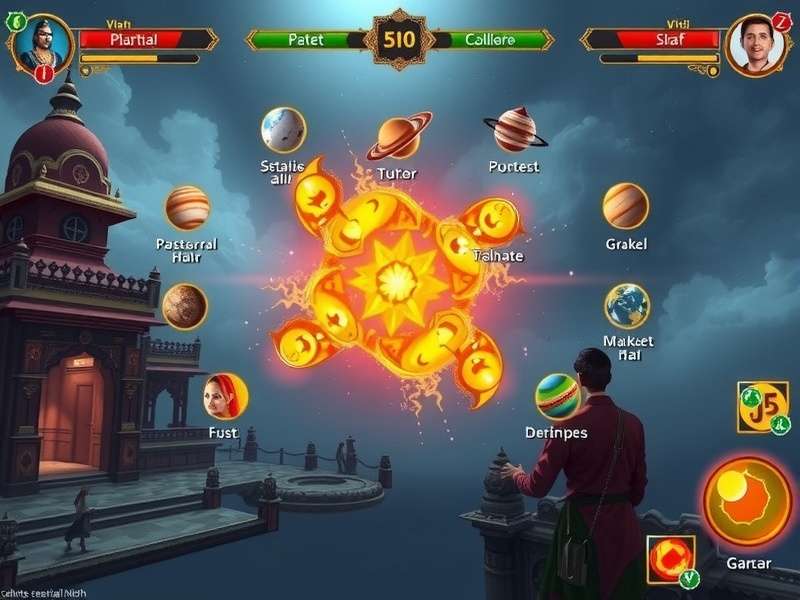
Planned future expansions for Shining Stroll will explore more regions of ancient India and celestial realms beyond the mortal world
Cross-Media and Merchandising
Daman Games has also announced plans to expand the Shining Stroll brand beyond gaming through various merchandise, books, and cross-media projects that will allow fans to engage with the game's world and mythology in different ways:
- Partnership with traditional Indian artisans and craftspeople to create handcrafted merchandise inspired by the game, including pattachitra paintings from Odisha, kalamkari textiles from Andhra Pradesh, and blue pottery from Rajasthan
- An official art book featuring concept art, mythology insights, and developer commentary on the creation of Shining Stroll's world and characters
- A graphic novel series expanding on the game's backstory and exploring the adventures of secondary characters
- A companion book explaining the mythology, philosophy, and cultural references in Shining Stroll, written in collaboration with leading scholars of Indian culture and religion
- Collaborations with Indian fashion designers to create clothing lines inspired by the game's aesthetics, blending traditional Indian textiles and designs with modern fashion
- Potential theme park attractions in partnership with major Indian entertainment destinations, bringing the world of Shining Stroll to life through rides and interactive experiences
- Music albums featuring the game's soundtrack and additional compositions inspired by the game's regions and characters, performed by A.R. Rahman and other leading Indian musicians
These initiatives reflect Daman Games' vision of Shining Stroll not just as a game, but as a cultural IP that can help promote Indian art, craft, mythology, and philosophy on the global stage, creating economic opportunities for traditional artisans and cultural practitioners while introducing global audiences to the richness and diversity of Indian culture.
Conclusion
Shining Stroll represents a watershed moment for Indian game development, proving that locally-made titles can achieve both critical acclaim and commercial success on a global scale while celebrating Indian culture and mythology with authenticity, depth, and respect. The game's innovative celestial combat system, richly detailed open world inspired by ancient India, and nuanced storytelling have set a new standard for what Indian gamers can expect from domestic developers and have demonstrated the global appeal of authentic Indian stories when presented with high production values and engaging gameplay.
More than just a game, Shining Stroll has become a cultural phenomenon in India, sparking renewed interest in traditional knowledge systems, mythology, and arts among young people who may have previously been disconnected from these aspects of their heritage. It has also demonstrated the potential for video games to serve as a medium for cultural education and preservation, making ancient wisdom accessible and relevant to digital-native generations in a way that traditional education often fails to do.
By blending cutting-edge game design with deep cultural authenticity, Shining Stroll has shown that Indian developers don't need to imitate Western or Japanese gaming models to succeed on the global stage. Instead, the game's success comes from its unapologetic celebration of Indian culture, philosophy, and aesthetics, creating a unique gaming experience that offers something genuinely different from mainstream titles while maintaining the high production values and engaging gameplay that modern gamers expect.
As Daman Games continues to expand the Shining Stroll universe with new content, sequels, and spin-offs, the game is poised to become one of India's most successful and enduring cultural exports, joining the ranks of globally recognized entertainment franchises while remaining proudly rooted in Indian identity and perspective. It has opened doors for other Indian developers to create games based on their own cultural heritage and has inspired a new generation of Indian gamers to take pride in their cultural identity and demand more authentic representation in video games.
For gamers around the world, Shining Stroll offers a fresh perspective on the fantasy RPG genre, introducing them to the richness and complexity of Indian mythology, philosophy, and culture through an engaging and innovative gameplay experience that is both entertaining and educational. In doing so, it has opened the door for more diverse cultural representation in gaming, challenging the dominance of Western and Japanese fantasy tropes and helping establish India as a creative force in the global gaming industry that has much to contribute to the medium's evolution and diversity.
Ultimately, Shining Stroll demonstrates that video games can be more than just entertainment – they can be a powerful medium for cultural exchange, education, and understanding, bridging the gap between ancient wisdom and modern technology to create experiences that are both timeless and contemporary, local and global, traditional and innovative. In this way, Shining Stroll truly lives up to its name, taking players on a luminous journey through India's past that illuminates both the ancient wisdom of its traditions and the bright future of its creative industries.